

How Often Should You Clean An Open Wound

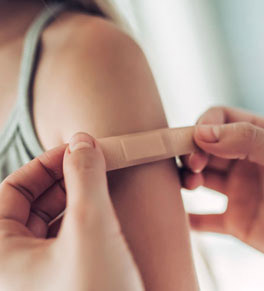
Is it best to cover the wound or let it breathe? That depends, says a UCI Wellness family practitioner.
Cut, scrape or puncture the skin and our bodies immediately brainstorm to heal the wound.
When it comes to animal bites, cuts deeper than a quarter inch or those that bleed excessively, people should see a dr., says UCI Health family unit medicine specialist Sara Etemad, Physician.
But many minor injuries can exist treated at dwelling house past observing a few rules to foreclose infection and ensure complete healing.
First, it's helpful to understand the stages of the body'south natural healing process, says Etemad, who sees patients at UCI Health — Tustin.
Stages of wound healing
- Blood begins to clot and a scab begins to form.
- White claret cells help to ward off infection and begin to repair the damaged tissue and any broken claret vessels.
- Crimson claret cells create collagen to form a base for new tissue to grow in the wound.
- New skin forms over this tissue, and as the edges pull inward, the wound gets smaller.
- A scar forms, strengthening the area over the wound.
To boost this natural healing procedure, cleansing the wound is the first priority. Etemad offers the following communication:
Exercise this to promote healing
- Immediately irrigate the wound with h2o by belongings it under the tap and wash the surface area with gentle soap then pat dry.
- Small cuts and scrapes can be left uncovered, but moisture is commonly needed to help speed up the healing process.
- Utilize petroleum jelly (Vaseline) and encompass with an adhesive bandage any exposed wounds that might get dirty on the hands, anxiety, arms or legs. For people who are sensitive to adhesive, a gauze pad can be secured with paper tape.
- Cleanse the wound daily with soap and water, and apply fresh petroleum jelly and a bandage.
- One time the wound has healed,utilise sunscreen with an SPF of at least 30 to command scarring.
Don't do this to your wounds
- Don't utilise a topical antibiotic. Studies bear witness that petroleum jelly is just as effective as an antibiotic ointment for non-infected wounds.
- Don't douse a small-scale wound with antiseptics similar iodine or hydrogen peroxide. They're actually harmful to the skin and can filibuster healing.
About pocket-sized cuts and scrapes will heal in a thing of days. Just some wounds are at a higher gamble of infection and may need a topical antibody. If y'all are unsure well-nigh your wound, it'southward a good idea to seek medical attention.
Etemad says it'due south also important to knowwhen to get medical treatment.
When to see your doctor
- Brute bites
- Cuts or punctures from a rusty or dingy object, because y'all may need a tetanus shot
- Wounds deeper than a quarter inch, that won't finish bleeding later on keeping direct pressure level on the injury for over v minutes
- Wounds with jagged or far apart edges that tin't exist brought together easily and may require stitches or skin glue
- Wounds on the face up that may demand special attention for cosmetic reasons
- Signs of serious infection, such equally when the wound is ruddy, warm or painful to touch, draining pus or is surrounded by red streaks
Call back to cleanse your wound daily with gentle soap and water, apply petroleum jelly and encompass it with an adhesive bandage for faster healing, Etemad says, adding, "And if you accept any questions or are unsure almost your wound, come up visit u.s. at our Tustin office."
Related stories
- What'due south in your first-aid kit? ›
- Dwelling burn care do's and don'ts ›
- Emergency room or urgent care? ›
Cut, scrape or puncture the pare and our bodies immediately brainstorm to heal the wound.
When it comes to animate being bites, cuts deeper than a quarter inch or those that bleed excessively, people should see a doctor, says UCI Wellness family medicine specialist Sara Etemad, MD.
But many pocket-size injuries can be treated at home past observing a few rules to prevent infection and ensure consummate healing.
First, it's helpful to sympathize the stages of the body's natural healing procedure, says Etemad, who sees patients at UCI Wellness — Tustin.
Stages of wound healing
- Blood begins to jell and a scab begins to form.
- Beneath the pare, blood vessels behave oxygen and nutrients essential to healing to the area.
- White claret cells aid to ward off infection and begin to repair the damaged tissue and any broken blood vessels.
- Red blood cells create collagen to grade a base of operations for new tissue to abound in the wound.
- New skin forms over this tissue, and as the edges pull inward, the wound gets smaller.
- A scar forms, strengthening the area over the wound.
To boost this natural healing process, cleansing the wound is the kickoff priority. Etemad offers the following advice:
Do this to promote healing
- Immediately gargle the wound with water past holding information technology nether the tap and wash the area with gentle soap and then pat dry.
- Small cuts and scrapes can be left uncovered, but wet is usually needed to assist speed up the healing procedure.
- Apply petroleum jelly (Vaseline) and comprehend with an adhesive cast any exposed wounds that might become muddy on the hands, feet, artillery or legs. For people who are sensitive to adhesive, a gauze pad can be secured with paper tape.
- Cleanse the wound daily with soap and water, and utilize fresh petroleum jelly and a bandage.
- Once the wound has healed, apply sunscreen with an SPF of at least 30 to command scarring.
Don't exercise this to your wounds
- Don't apply a topical antibody. Studies testify that petroleum jelly is only as effective as an antibiotic ointment for not-infected wounds.
- Don't douse a minor wound with antiseptics like iodine or hydrogen peroxide. They're actually harmful to the pare and can delay wound healing.
Most pocket-sized cuts and scrapes volition heal in a matter of days. But some wounds are at a higher risk of infection and may demand a topical antibiotic. If yous are unsure almost your wound, it's a practiced idea to seek medical attention.
Etemad says it'south also important to know when to get medical treatment.
When to see your doctor
- Brute bites
- Cuts or punctures from a rusty or muddy object, because y'all may need a tetanus shot
- Wounds deeper than a quarter inch, that won't stop bleeding later keeping straight pressure on the injury for over 5 minutes
- Wounds with jagged or far apart edges that can't be brought together easily and may require stitches or peel gum
- Wounds on the confront that may demand special attention for cosmetic reasons
- Signs of serious infection, such as when the wound is red, warm or painful to bear upon, draining pus or is surrounded past ruby-red streaks
Remember to cleanse your wound daily with gentle lather and water, employ petroleum jelly and embrace it with an adhesive bandage for faster healing. And if you have whatsoever questions or are unsure almost your wound, come visit us at our Tustin office.
Related stories
- What's in your showtime-aid kit? ›
- Home burn care do's and don'ts ›
- Emergency room or urgent care? ›
Cut, scrape or puncture the pare and our bodies immediately begin to heal the wound.
When it comes to animal bites, cuts deeper than a quarter inch or those that drain excessively, people should see a md, says UCI Health family medicine specialist Sara Etemad, Md.
But many minor injuries tin can be treated at home by observing a few rules to foreclose infection and ensure complete healing.
Start, information technology's helpful to understand the stages of the body's natural healing process, says Etemad, who sees patients at UCI Health — Tustin.
Stages of wound healing
- Claret begins to jell and a scab begins to form.
- Below the peel, blood vessels conduct oxygen and nutrients essential to healing to the area.
- White blood cells help to ward off infection and begin to repair the damaged tissue and any broken blood vessels.
- Red blood cells create collagen to form a base of operations for new tissue to grow in the wound.
- New peel forms over this tissue, and as the edges pull inwards, the wound gets smaller.
- A scar forms, strengthening the area over the wound.
To boost this natural healing process, cleansing the wound is the start priority. Etemad offers the following advice:
Do this to promote healing
- Immediately irrigate the wound with h2o past belongings information technology under the tap and wash the area with gentle soap and then pat dry out.
- Small-scale cuts and scrapes can exist left uncovered, simply moisture is normally needed to aid speed upwards the healing process.
- Apply petroleum jelly (Vaseline) and cover with an adhesive bandage whatsoever exposed wounds that might go dirty on the hands, feet, arms or legs. For people who are sensitive to adhesive, a gauze pad tin be secured with paper tape.
- Cleanse the wound daily with soap and h2o, and apply fresh petroleum jelly and a bandage.
- Once the wound has healed, utilise sunscreen with an SPF of at to the lowest degree 30 to command scarring.
Don't do this to your wounds
- Don't apply a topical antibiotic. Studies show that petroleum jelly is merely as effective every bit an antibiotic ointment for non-infected wounds.
- Don't dunk a minor wound with antiseptics like iodine or hydrogen peroxide. They're actually harmful to the skin and tin delay wound healing.
Most pocket-sized cuts and scrapes will heal in a matter of days. Only some wounds are at a higher chance of infection and may demand a topical antibiotic. If you are unsure about your wound, it's a good idea to seek medical attending.
Etemad says information technology's too important to know when to get medical handling.
When to see your doctor
- Animal bites
- Cuts or punctures from a rusty or muddied object, because you lot may demand a tetanus shot
- Wounds deeper than a quarter inch, that won't stop bleeding afterwards keeping direct pressure level on the injury for over v minutes
- Wounds with jagged or far apart edges that tin't be brought together hands and may crave stitches or skin mucilage
- Wounds on the face up that may need special attention for corrective reasons
- Signs of serious infection, such as when the wound is red, warm or painful to bear on, draining pus or is surrounded by cherry streaks
Remember to cleanse your wound daily with gentle soap and water, utilise petroleum jelly and cover it with an adhesive bandage for faster healing. And if you have any questions or are unsure about your wound, come visit united states at our Tustin office.
Related stories
- What'south in your kickoff-aid kit? ›
- Home fire care practise's and don'ts ›
- Emergency room or urgent care? ›
Cut, scrape or puncture the skin and our bodies immediately begin to heal the wound.
When it comes to creature bites, cuts deeper than a quarter inch or those that bleed excessively, people should see a doc, says UCI Health family medicine specialist Sara Etemad, Md.
Simply many minor injuries can be treated at abode past observing a few rules to forbid infection and ensure consummate healing.
Starting time, it's helpful to sympathise the stages of the body'due south natural healing process, says Etemad, who sees patients at UCI Health — Tustin.
Stages of wound healing
- Blood begins to clot and a scab begins to form.
- Below the skin, blood vessels carry oxygen and nutrients essential to healing to the surface area.
- White blood cells assistance to ward off infection and begin to repair the damaged tissue and any broken blood vessels.
- Red claret cells create collagen to course a base for new tissue to grow in the wound.
- New peel forms over this tissue, and as the edges pull inward, the wound gets smaller.
- A scar forms, strengthening the surface area over the wound.
To boost this natural healing process, cleansing the wound is the first priority. Etemad offers the following advice:
Do this to promote healing
- Immediately irrigate the wound with h2o past holding it under the tap and wash the area with gentle soap then pat dry.
- Small cuts and scrapes can be left uncovered, but wet is usually needed to help speed up the healing procedure.
- Apply petroleum jelly (Vaseline) and comprehend with an agglutinative cast any exposed wounds that might become dirty on the easily, feet, artillery or legs. For people who are sensitive to adhesive, a gauze pad tin can be secured with paper tape.
- Cleanse the wound daily with soap and water, and apply fresh petroleum jelly and a bandage.
- Once the wound has healed, apply sunscreen with an SPF of at to the lowest degree 30 to command scarring.
Don't do this to your wounds
- Don't apply a topical antibiotic. Studies prove that petroleum jelly is just as constructive as an antibiotic ointment for non-infected wounds.
- Don't douse a minor wound with antiseptics like iodine or hydrogen peroxide. They're actually harmful to the skin and can delay wound healing.
Most minor cuts and scrapes will heal in a thing of days. But some wounds are at a higher risk of infection and may demand a topical antibiotic. If you are unsure nearly your wound, it'southward a good idea to seek medical attention.
Etemad says it'south also of import to know when to get medical treatment.
When to see your doctor
- Creature bites
- Cuts or punctures from a rusty or dirty object, because yous may need a tetanus shot
- Wounds deeper than a quarter inch, that won't stop bleeding later on keeping direct pressure level on the injury for over v minutes
- Wounds with jagged or far apart edges that can't be brought together hands and may require stitches or skin glue
- Wounds on the face that may need special attention for corrective reasons
- Signs of serious infection, such equally when the wound is cherry-red, warm or painful to bear on, draining pus or is surrounded by ruddy streaks
Call up to cleanse your wound daily with gentle lather and water, apply petroleum jelly and cover it with an agglutinative cast for faster healing. And if you have any questions or are unsure about your wound, come visit us at our Tustin office.
Related stories
- What's in your offset-aid kit? ›
- Home burn down intendance do's and don'ts ›
- Emergency room or urgent care? ›
Mail service a Comment

Source: https://www.ucihealth.org/blog/2018/10/wound-care
Posted by: yelvertonwrecertrecan.blogspot.com
0 Response to "How Often Should You Clean An Open Wound"
Post a Comment